
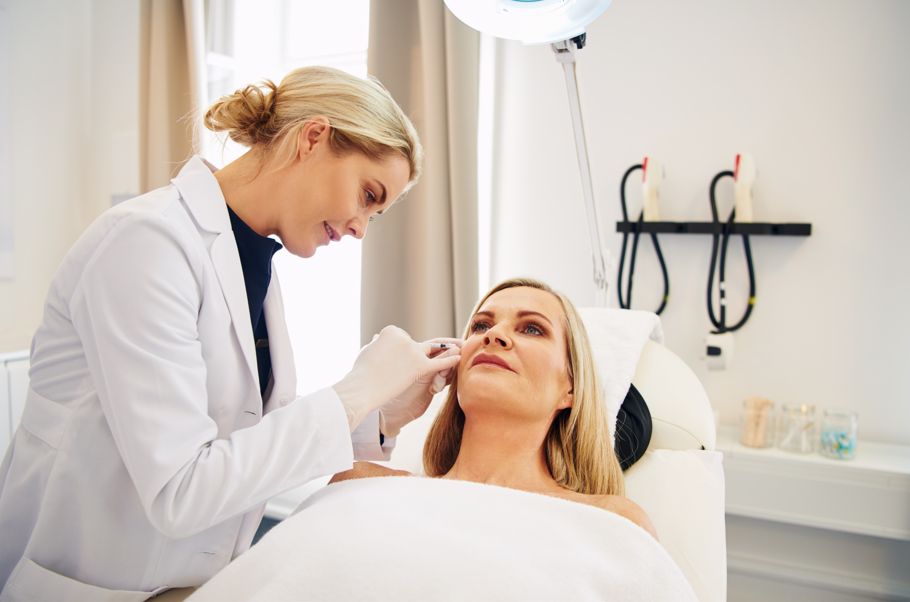
The field of aesthetic medicine continues to grow at a remarkable pace, with Botox treatments remaining one of the most sought-after non-surgical procedures worldwide. For healthcare professionals looking to expand their practice, understanding the nuances of proper injection techniques is essential. Professional training programs offer comprehensive education that goes far beyond simply learning where to place a needle.
Understanding Facial Anatomy at a Deeper Level
One of the foundational elements covered in quality Botox training programs is advanced facial anatomy. While medical professionals already possess baseline anatomical knowledge, aesthetic procedures require an intricate understanding of muscle layers, nerve pathways, and vascular structures specific to cosmetic applications. Training delves into the precise locations of facial muscles responsible for expression lines, including those around the eyes, forehead, and mouth. You’ll learn how different muscle groups interact and how treating one area can affect adjacent regions, ensuring you develop a holistic approach to facial aesthetics.
Mastering Injection Depth and Angle
The technical skill of injection involves much more than surface-level knowledge. Training programs emphasize the critical importance of injection depth, which varies depending on the treatment area and desired outcome. You’ll discover how shallow injections differ from deeper placements and when each approach is most appropriate. The angle of needle entry also plays a crucial role in treatment success, affecting both comfort for the patient and the distribution of the product within the muscle. Through hands-on practice, practitioners develop the tactile sensitivity needed to navigate different tissue densities and achieve consistent results.
Dosage Calculation and Distribution Strategies
Determining appropriate dosing requires a blend of scientific understanding and artistic judgment. Training covers the principles behind calculating units based on muscle mass, treatment goals, and individual patient characteristics. You’ll learn strategic distribution patterns that ensure natural-looking results while avoiding the frozen appearance that can result from overtreatment. Understanding how to customize treatment plans for different face shapes, ages, and aesthetic goals becomes second nature through comprehensive instruction.
Patient Assessment and Consultation Skills
Before any injection occurs, thorough patient evaluation is paramount. Training programs teach systematic assessment techniques to identify contraindications, set realistic expectations, and develop personalized treatment plans. You’ll learn how to analyze facial symmetry, assess muscle strength, and identify potential complications before they arise. Effective consultation skills help build patient trust and ensure informed consent, creating a foundation for successful outcomes and satisfied clients.
Complication Prevention and Management
While serious complications from Botox treatments are rare when performed correctly, comprehensive training prepares practitioners for all possibilities. You’ll study potential adverse effects, from minor bruising to more significant concerns, and learn evidence-based prevention strategies. Emergency protocols, including recognition and immediate management of complications, form an essential component of professional education. This knowledge provides confidence and ensures patient safety remains the top priority.
Injection Techniques for Different Treatment Areas
Each facial region presents unique challenges and requires specialized approaches. Training breaks down specific techniques for common treatment areas, including the glabellar lines between the eyebrows, horizontal forehead lines, and crow’s feet around the eyes. You’ll also explore advanced applications such as brow lifting, lip line treatment, and jawline contouring. Understanding the subtle differences in technique for each area allows practitioners to offer comprehensive services tailored to individual patient needs.
Developing Your Aesthetic Eye
Beyond technical skills, successful aesthetic practitioners cultivate an artistic sensibility. Training helps develop the ability to envision desired outcomes and work backward to determine the treatment approach. You’ll learn to balance symmetry with natural facial characteristics, recognizing that perfect symmetry isn’t always the most aesthetically pleasing goal. This aesthetic judgment, combined with technical proficiency, separates adequate practitioners from exceptional ones.
Building Confidence Through Practice
Hands-on experience under expert supervision forms the cornerstone of quality training programs. Practicing on models allows you to refine techniques, receive immediate feedback, and build the muscle memory essential for smooth, efficient treatments. This supervised practice environment provides a safe space to ask questions, make mistakes, and develop the confidence needed to perform procedures independently.
Professional training in Botox injection techniques transforms theoretical knowledge into practical expertise, equipping healthcare providers with the skills needed to deliver safe, effective, and aesthetically pleasing results that keep patients returning.