
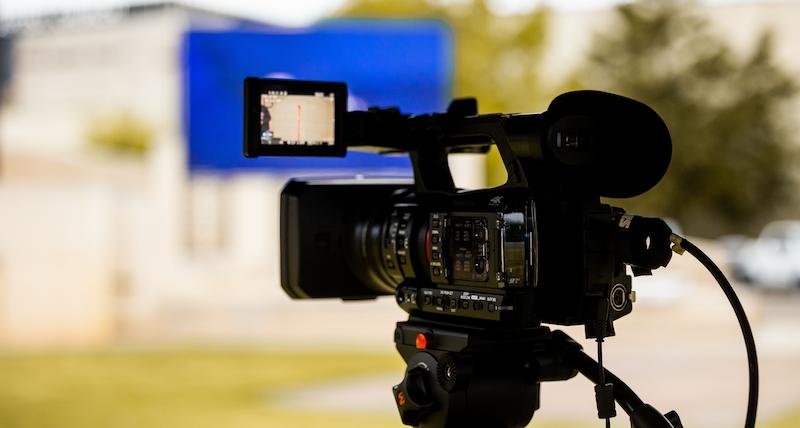
Video content continues to dominate the digital space. Whether you are scaling a brand on social media, producing educational tutorials, or launching marketing campaigns, audience engagement relies heavily on polished visual storytelling. However, traditional post-production has always been an uphill battle. Sifting through hours of raw footage, manually trimming clips, syncing audio tracks, and formatting subtitles can drain hours of valuable creative time before a project even begins.
Fortunately, technological advancements have introduced a smarter way to handle post-production. By merging large language models with timeline-based rendering tools, creators can bypass tedious technical bottlenecks.
Utilizing a streamlined ChatGPT video editor free workflow allows you to direct your edits using natural language instructions, bridging the gap between concept and execution. Here are five practical ways to integrate AI-driven editing into your content creation pipeline.
1. Accelerating Rough Cuts Through Conversational Prompts
The most intimidating part of video editing is often the blank timeline. Staring at gigabytes of unorganized media files and trying to structure a coherent narrative requires immense mental energy. Traditional workflows demand manual review of every single file.
Conversational editing completely shifts this dynamic. By installing specialized plugins and connecting your creative environment, you can upload raw clips and describe your vision in plain text. You can specify pacing, target duration, and emotional tone. The system analyzes your media, trims unnecessary sections, and arranges a functional first draft directly on your timeline. This automated foundation eliminates repetitive manual setup while leaving you in full control of the final structure.
2. Context-Aware Asset and Template Matching
Even with a solid sequence of clips, achieving a professional look requires cohesive visual styling, smooth transitions, and design templates that match your brand identity. Hunting down these assets manually can disrupt your creative momentum.
Modern AI editing workflows review your script and uploaded footage simultaneously to suggest relevant design options. If you are constructing an energetic product review, the software can pull dynamic templates from expansive libraries to match your pacing. For educational or corporate explainers, it defaults to cleaner, structured layouts. This intelligent matching gives your project a head start, allowing you to customize and fine-tune elements instantly.
3. Automating Silence Removal and Pacing Adjustments
Raw footage is rarely flawless on the first take. It is usually cluttered with awkward pauses, heavy breathing, throat clears, and repeated lines. Cleaning up these imperfections manually requires meticulous, frame-by-frame cutting.
AI-assisted editing tools analyze audio waveforms to detect and eliminate dead air instantly. By tightening the pacing automatically, the dialogue flows naturally without sounding robotic or choppy. This frees you up to concentrate on higher-level storytelling, audio balancing, and creative color grading rather than getting bogged down in basic audio cleanup.
4. Streamlining Subtitles and Global Translation
In a mobile-first digital ecosystem, a massive share of users consume video content with the sound muted. Integrating accurate, dynamic captions is mandatory for maximizing viewer retention and accessibility.
Advanced speech-to-text engines transcribe spoken dialogue into text tracks within seconds. You can then utilize a track-based interface to adjust styling, font weights, and color palettes to match your channel’s aesthetic. Furthermore, built-in translation features allow you to adapt your narrative for international audiences effortlessly, scaling your content reach without requiring external translation agencies.
5. Maintaining Full Creative Control Over the Final Output
A common misconception about AI integration is that it forces creators to accept a rigid, pre-determined final product that strips away individual style. In reality, reliable tools serve as intelligent collaborative assistants rather than autonomous replacements for human judgment.
The rough cuts, structural layouts, and automated subtitle drafts generated by AI are fully editable. Once the baseline project populates your workspace, you retain absolute authority to reorder scenes, swap media assets, adjust micro-transitions, and rewrite text overlays. The technology handles the repetitive administrative load, ensuring you have more time to focus on creative nuance.
Frequently Asked Questions (FAQs)
What is a prompt-based AI video editing workflow?
It is an advanced workflow that allows you to use natural language instructions to help review raw footage, select highlights, trim dead air, and organize an initial rough cut on your timeline.
Can I use my own raw video files with these AI tools?
Yes. Professional AI editing integrations are designed for you to upload your own original footage. The AI acts as an assistant to structure and organize the authentic media you provide rather than forcing you to rely entirely on synthetic generation.
Will the AI lock my project, or can I make manual adjustments later?
You retain complete creative control. The system’s output serves as an editable first draft, meaning you can freely modify clip order, adjust timing, swap templates, and refine details before export.
How do AI tools handle subtitle generation?
Built-in speech-to-text engines automatically transcribe your dialogue into synchronized caption tracks. You can then customize the font, text style, position, and on-screen rhythm directly within the editing interface.
Do I need advanced video editing experience to use these workflows?
Not necessarily. While professional knowledge helps with advanced polishing, conversational prompts and automated rough-cut generation make it much easier for beginners to build structured video drafts without getting overwhelmed by complex technical menus
Conclusion
The barriers to entry for high-quality video production are shrinking rapidly. By embracing conversational workflows and intelligent automation, creators of all skill levels can bypass the most tedious aspects of post-production. Whether you are organizing rough cuts, matching design templates, or formatting multi-language subtitles, AI-driven tools act as efficient digital assistants that scale your output while preserving your unique creative vision.